
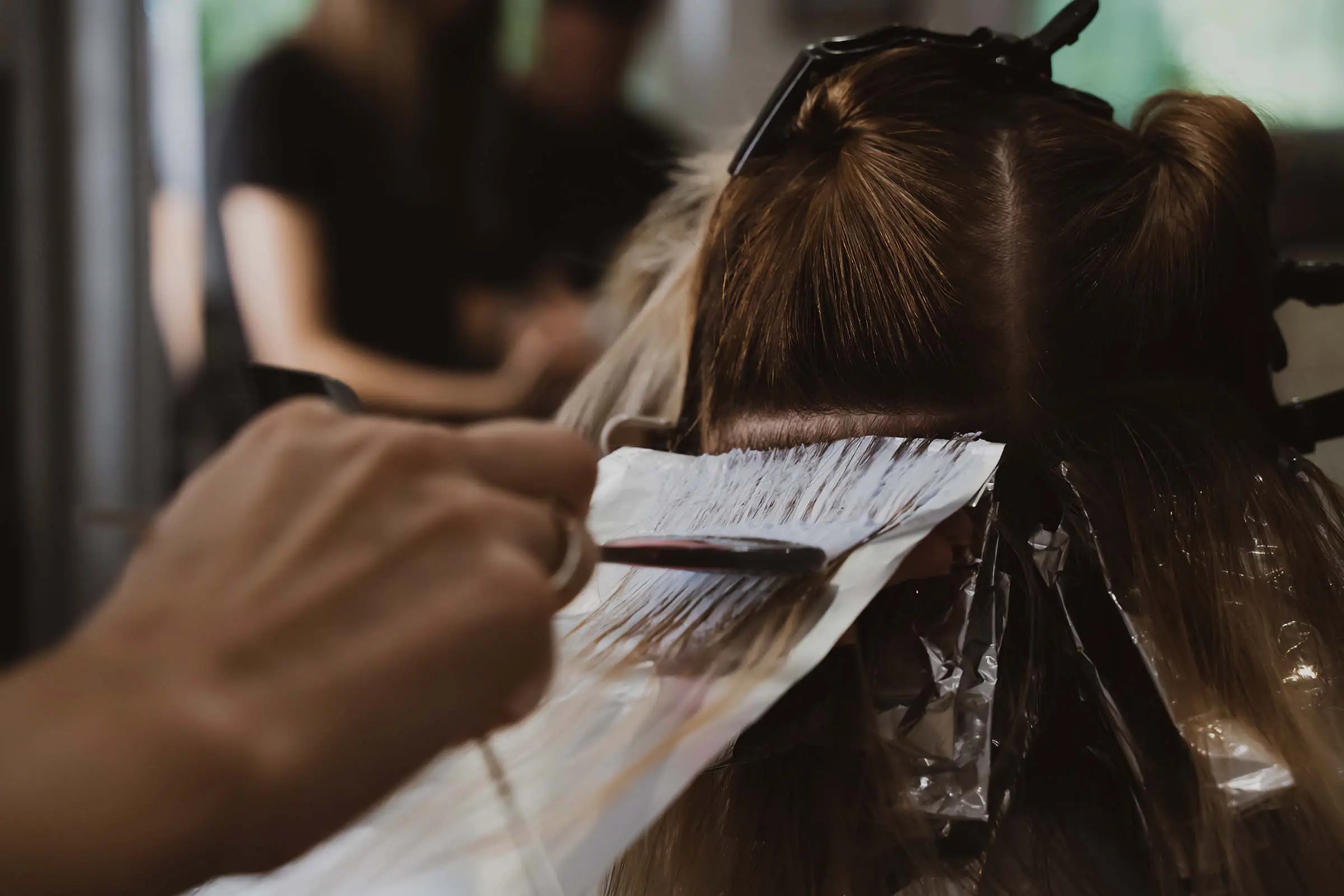
Are you ready for a change that feels fresh, intentional, and completely your own? Hair color can do more than simply change your appearance — it can enhance your natural features, add dimension, bring out your texture, and give you a renewed sense of confidence. Whether you're considering subtle highlights, a richer brunette, a brighter blonde, or something completely new, the best results begin with understanding your hair and choosing an approach that works with it — not against it.
Before making a change, it helps to know what goes into creating beautiful, wearable color. From your hair’s texture and porosity to your skin tone, maintenance preferences, and lifestyle, there are several factors a professional considers before reaching for the color bowl. Below, we’re breaking down a few of the most important things to know before your next color appointment.
Understanding Your Hair Type and Texture
Before diving into hair color, it’s important to understand your natural texture, density, condition, and porosity. These factors influence how your hair responds to color and which techniques may work best.
Straight, wavy, and curly hair can each behave differently during and after a color service. For example, textured and curly hair may benefit from additional moisture and conditioning support to help maintain softness, definition, and manageability.
Porosity also matters. Hair that is more porous tends to absorb color and moisture more quickly, but it may also lose them more easily. Meanwhile, less porous hair can require a different approach to achieve even, predictable results.
A professional consultation allows your stylist or colorist to evaluate:
- Your current hair condition
- Natural texture and density
- Porosity and previous chemical services
- Your desired result
- The amount of maintenance you’re comfortable with
Ultimately, your natural hair should help guide your color plan, rather than feeling like something that needs to be worked around.
Choosing the Right Color for Your Skin Tone
Of course, inspiration photos are helpful — but the exact shade that looks beautiful on one person may translate differently on someone else.
That’s because skin tone, undertone, eye color, natural hair color, and overall contrast all play a role in how a shade appears.
For example, warmer complexions may pair beautifully with tones such as:
- Golden blondes
- Honey
- Caramel
- Warm brunette shades
Meanwhile, cooler undertones may complement:
- Ashier blondes
- Cooler brunettes
- Beige or neutral tones
- Platinum shades
However, these are guidelines rather than strict rules. Great hair color is highly personalized. Your stylist can adjust warmth, depth, brightness, and placement to create something that feels balanced with your features while still achieving the look you’re drawn to.
The Importance of a Professional Consultation
One of the most valuable parts of a color appointment happens before the color is ever mixed.
A thoughtful consultation gives your stylist an opportunity to understand your goals, evaluate the health and history of your hair, and determine what is realistically possible while protecting its integrity.
Your stylist may consider things such as:
- Previous color or chemical services
- Current hair health
- Your inspiration photos
- How frequently you want to return to the salon
- Your styling habits and lifestyle
- Your at-home haircare routine
This is also where expectations can be established. Some transformations can happen in one appointment, while others may require multiple sessions to reach the desired result safely.
Rather than approaching color with a one-size-fits-all formula, professional colorists can customize tone, placement, formulation, and technique specifically for your hair.
Maintaining Vibrant Color at Home
Beautiful color doesn’t stop when you leave the salon. Your at-home routine plays an important role in how your color looks and feels between appointments.
To help maintain your results:
- Use shampoo and conditioner formulated for your specific hair needs.
- Incorporate conditioning treatments when additional moisture or nourishment is needed.
- Use heat protection before blow-drying or using hot tools.
- Be mindful of excessive heat, sun exposure, and environmental stressors.
- Follow your stylist’s recommendations for maintenance appointments.
Additionally, repeated heat styling can contribute to dryness and fading over time. Using appropriate heat protection — and keeping tools at a reasonable temperature — can help protect both the condition of your hair and the longevity of your color.
Regular trims can also help keep ends looking healthy, polished, and reflective, which can make color appear even more vibrant.
Exploring Color Techniques
Modern hair color offers far more flexibility than simply choosing one shade.
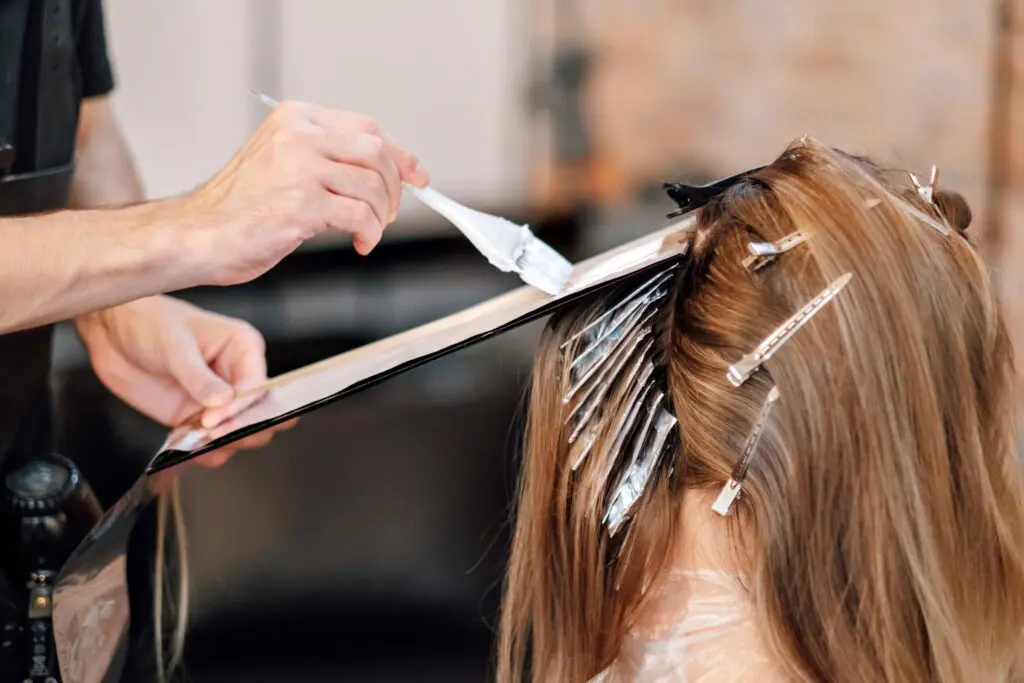
Depending on your desired look and maintenance preferences, your stylist may recommend techniques such as balayage, traditional highlights, dimensional color, face-framing brightness, or all-over color.
For example, balayage uses strategic placement to create softness and dimension and can often provide a more blended grow-out. Traditional highlights can create anything from subtle brightness to a much lighter overall result depending on the placement and density.
Meanwhile, techniques such as babylights or carefully placed face-framing highlights can add brightness without dramatically changing your entire color.
The important thing is that the technique should support the result — not dictate it. Rather than choosing a service based solely on a trend or name, talk with your stylist about how you want your hair to look, feel, and grow out. From there, they can determine the best approach.
Hair Color Should Feel Like You
The best hair color isn’t necessarily the boldest transformation or the trendiest shade. It’s the color that works with your hair, complements your features, fits your lifestyle, and still feels authentically like you.
Maybe that means adding a few strategically placed highlights for dimension. Maybe it’s refreshing your natural brunette, softly blending grey, brightening your blonde, or making a completely new change. There is no single formula for beautiful color — and that’s exactly why a thoughtful, personalized approach matters.
Most importantly, healthy, beautiful color is a collaboration. Your stylist brings technical knowledge, formulation, placement, and an understanding of hair integrity; you bring your preferences, lifestyle, inspiration, and the way you want to feel when you look in the mirror.
When those pieces come together, hair color becomes much more than a service — it becomes something designed specifically for you.








0 Comments