
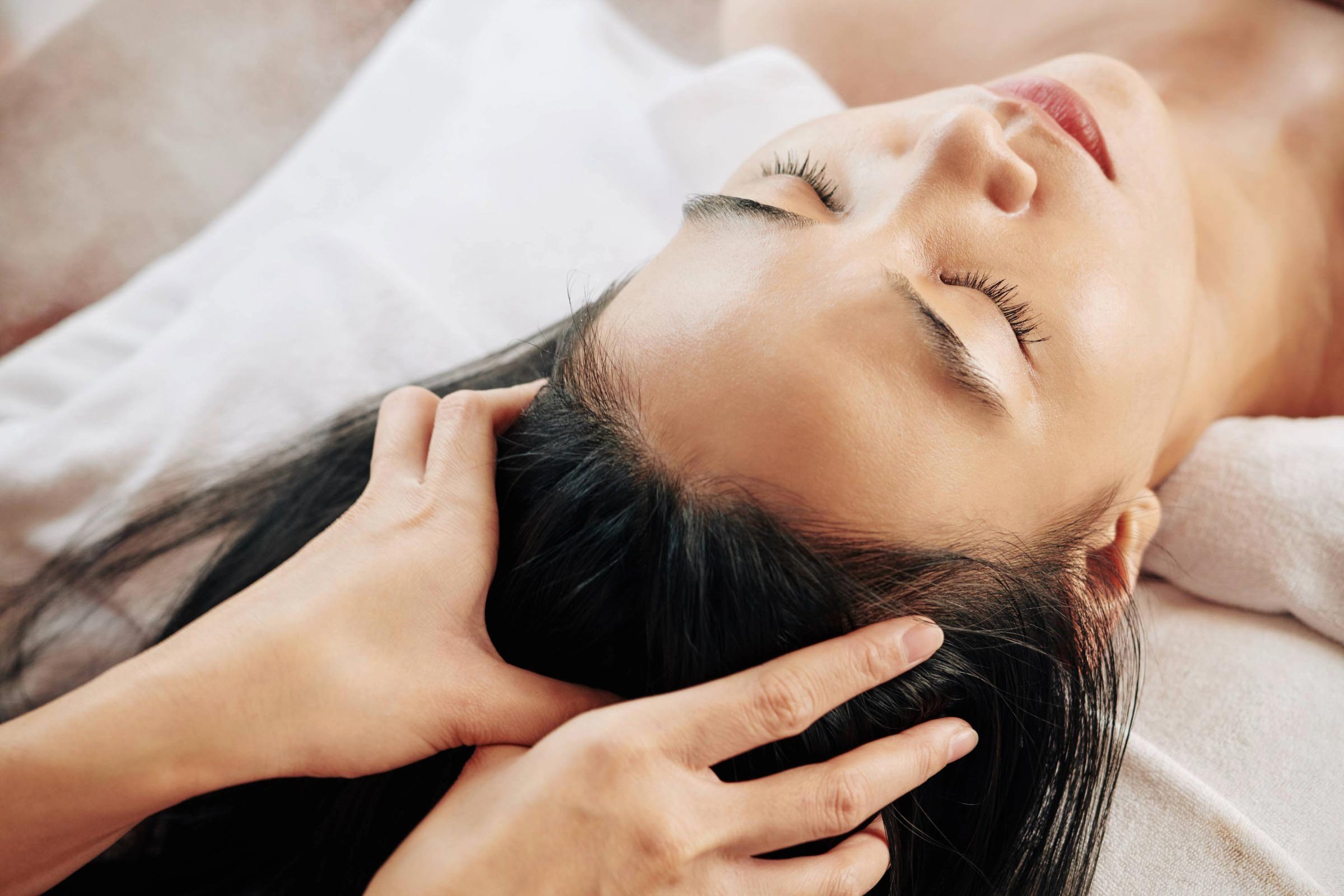
Scalp Massage as a Simple Tool for Stress Relief
In today’s fast-paced world, stress has become an almost unavoidable part of daily life. While there are many ways to manage it, one often-overlooked practice offers surprisingly powerful benefits: scalp massage.
In this blog, we’ll explore how this simple ritual can become a meaningful addition to your stress-relief routine—supporting both mental and physical well-being through intentional touch, improved circulation, and moments of quiet presence in an otherwise busy day.
Understanding the Basics of Scalp Massage
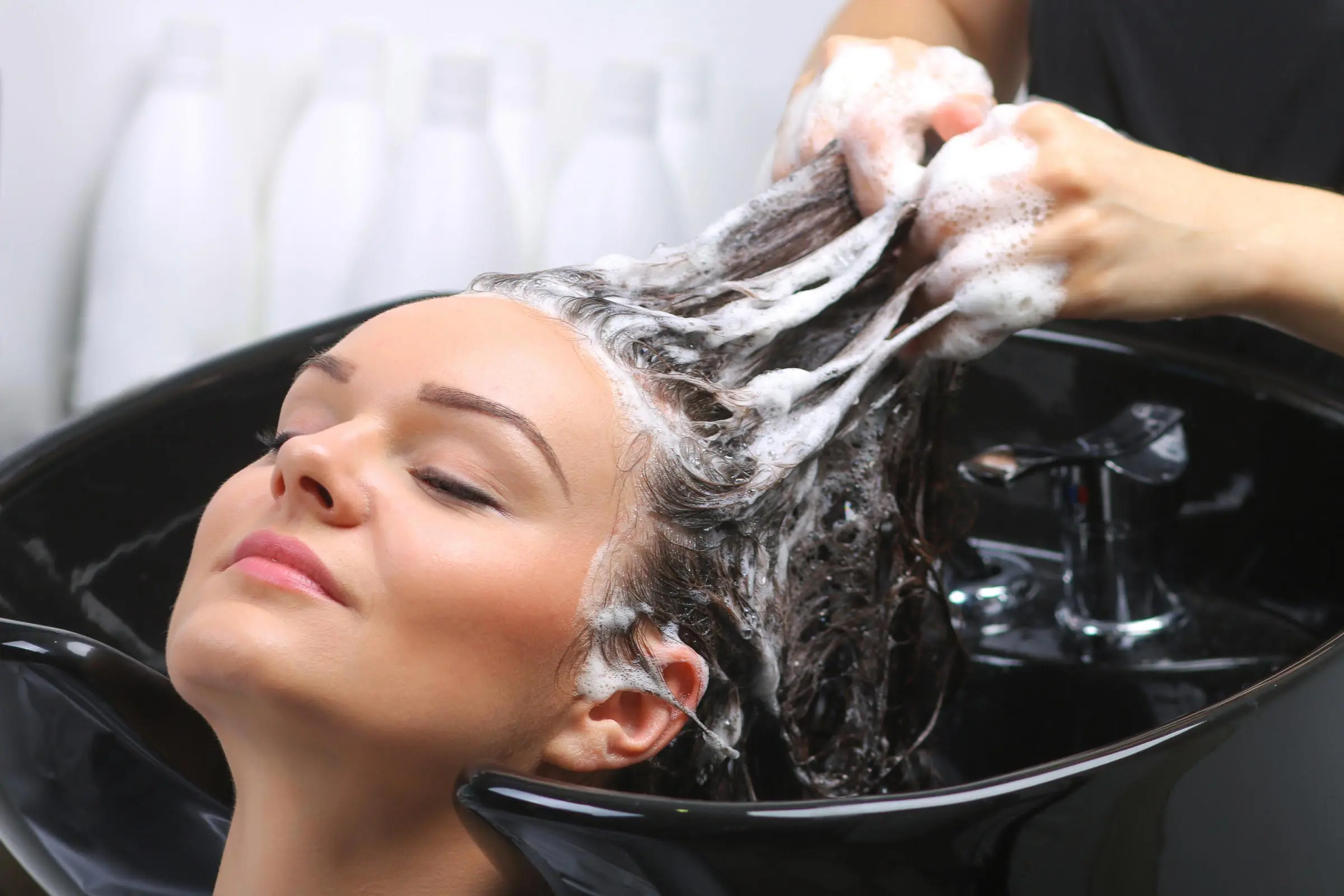
At its core, a scalp massage involves gently applying pressure to the scalp using your fingertips, typically in slow, circular motions. It can be performed:
-
With bare hands or a scalp-massage tool
-
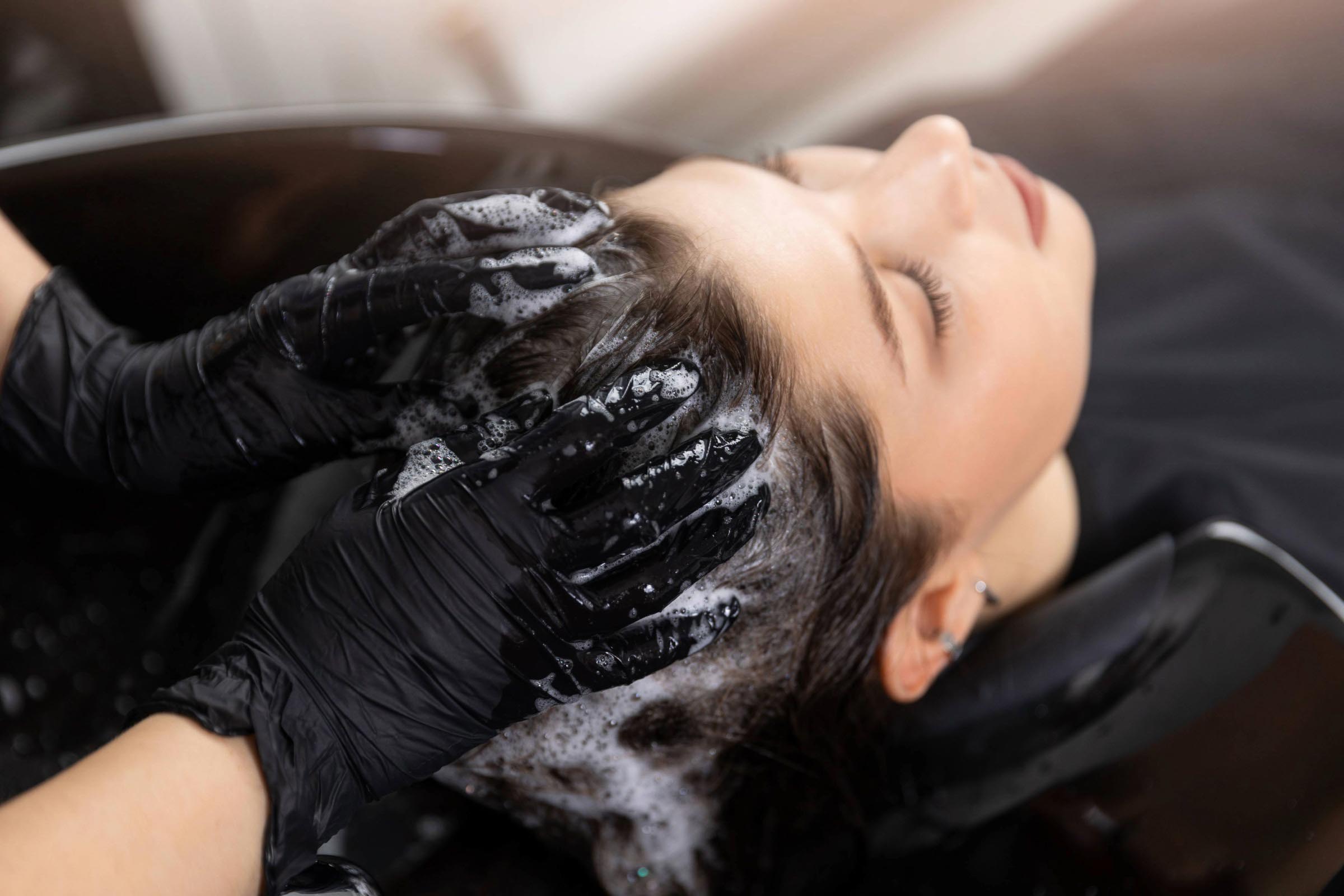
At home, in a salon, or even during a short break
-
With the primary goal of relaxation and improved circulation
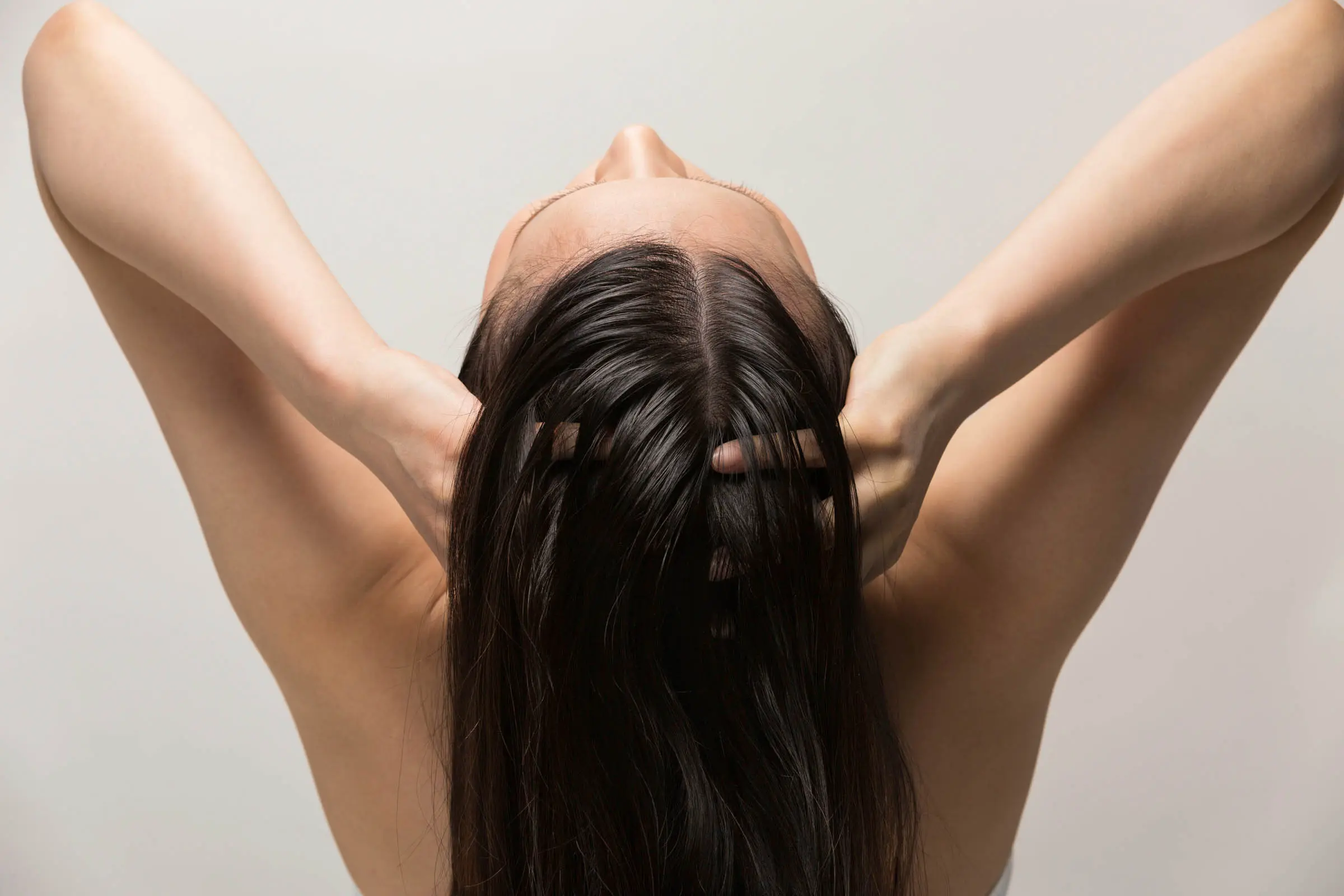
To begin, use the pads of your fingers to massage your scalp in small circles. Start at the front hairline and gradually move toward the back of the head to ensure even coverage.
For an elevated experience, incorporating nourishing oils like coconut or argan oil can enhance both relaxation and hair health.
Additionally, there are many tutorials available online that offer visual guidance, making it easy to learn and refine your technique.
How Scalp Massage Helps Reduce Stress
So, why does it feel so calming? The answer lies in biology.
Scalp massage helps trigger the release of endorphins, the body’s natural “feel-good” hormones. These chemicals act as mood elevators and natural pain relievers, creating a sense of calm and well-being.
Beyond that, scalp massage also:
-
Improves blood circulation to the scalp and brain
-
Delivers more oxygen and nutrients to hair follicles
-
Helps flush out metabolic waste
-
Encourages the nervous system to relax
Together, these effects create both physical and mental relief from stress.
The Connection Between Scalp Massage and Mood
Over time, regular scalp massage can noticeably improve mood and emotional balance. This happens because the practice stimulates neural pathways associated with pleasure and relaxation.
As these pathways activate, they influence neurotransmitters that regulate mood, energy, and emotional resilience.
Even five minutes a day can make a meaningful difference—offering a natural boost without medication or stimulants.
Practical Tips for an Effective Scalp Massage
To get the most from your massage, consider the following:
-
Choose a quiet, comfortable space
-
Use gentle, circular motions with your fingertips
-
Start at the forehead and work toward the nape of the neck
-
Adjust pressure to what feels best—never too hard
For an added layer of calm, try incorporating essential oils like lavender or rosemary to heighten the therapeutic effect.
Making Scalp Massage Part of Your Routine
Incorporating scalp massage doesn’t require a major time commitment. Even short, consistent sessions matter.
-
Aim for 5–10 minutes, a few times per week
-
Try adding it to your evening wind-down routine
-
Pair it with deep breathing, meditation, or soft music
When combined with other relaxation practices, scalp massage can become a cornerstone of a holistic self-care ritual.
Final Thoughts
A scalp massage is more than a moment of indulgence—it’s a simple, effective way to support stress relief and overall well-being. From improving circulation to easing tension and enhancing mood, the benefits are both immediate and long-term.
The next time stress starts to build, consider slowing down and giving yourself a few minutes of intentional care. Small, mindful rituals—like a scalp massage—can create powerful moments of reset, helping your body unwind and your mind feel more at ease. And if you’re looking to deepen your self-care practice, we invite you to explore our additional wellness services, thoughtfully designed to help you feel balanced, restored, and supported long after your visit.




0 Comments