
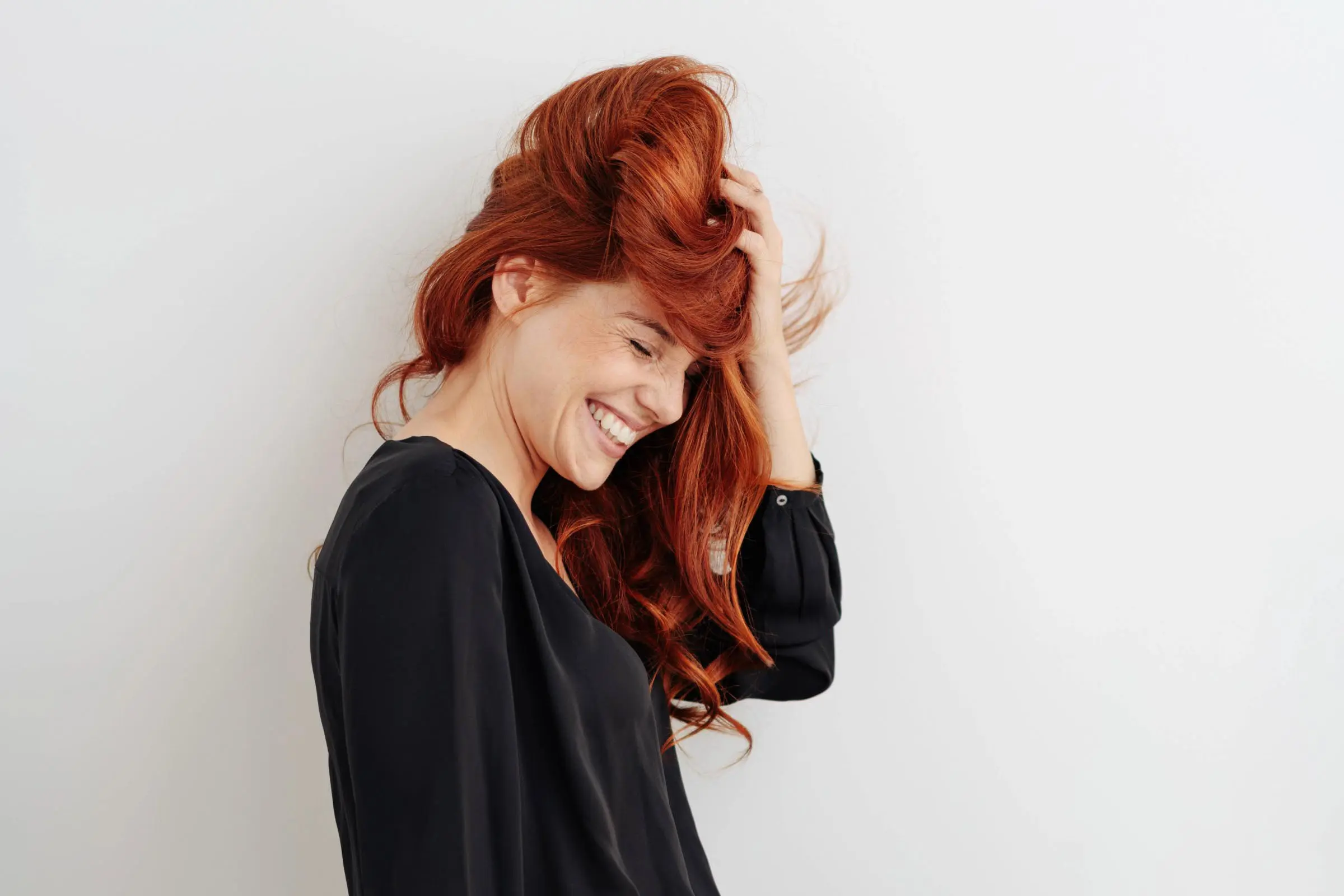
Red Hair: A Unique and Vibrant Trait
Red hair stands out with its striking appearance, making those who have it truly unique. But what exactly gives it that fiery, captivating shade that turns heads? It's more than just a color; it's a genetic marvel. We're about to delve into the fascinating science behind red hair, exploring the specific genetic factors and melanin types that determine its presence. Beyond the biology, we'll uncover invaluable tips and practical advice for both achieving a vibrant red hue if you're coloring your hair, and maintaining those stunning, rich red locks once you've embraced them. This includes insights into specialized care and products to keep your red hair looking its best.
The Genetics
Red hair is rare—found in just 1-2% of the global population—and it’s all thanks to a special gene called MC1R. Here’s how it works:
- The MC1R gene is recessive, meaning both parents must carry it for a child to have red hair.
- This gene affects melanin production, leading to:
- Lower levels of eumelanin (responsible for brown/black tones).
- Higher levels of pheomelanin, which creates the spectrum of red shades.
? Fun fact: The MC1R gene has been traced to Neanderthal ancestry, tying red hair to deep historical roots!
Why Redheads Are Unique
It isn’t just about color; it’s linked to other traits as well:
- Fair skin and freckles: Redheads often have less eumelanin, making their skin more sensitive to UV rays.
- Sun sensitivity: Lower melanin levels mean redheads are more prone to sunburn, so sunscreen is a must.
This combination of rarity and distinct features is what makes redheads truly one of a kind.
What Makes Hair Red?
The vibrant hues of come from pheomelanin, the pigment responsible for its unique shades. Here’s how it breaks down:
- More pheomelanin = Warm, copper tones.
- Less pheomelanin = Softer, strawberry blonde hues.
The exact shade depends on genetics, making every redhead uniquely beautiful. This scientific marvel contributes to the exclusivity of red hair and its ability to captivate attention.
The Art and Science of Coloring Hair
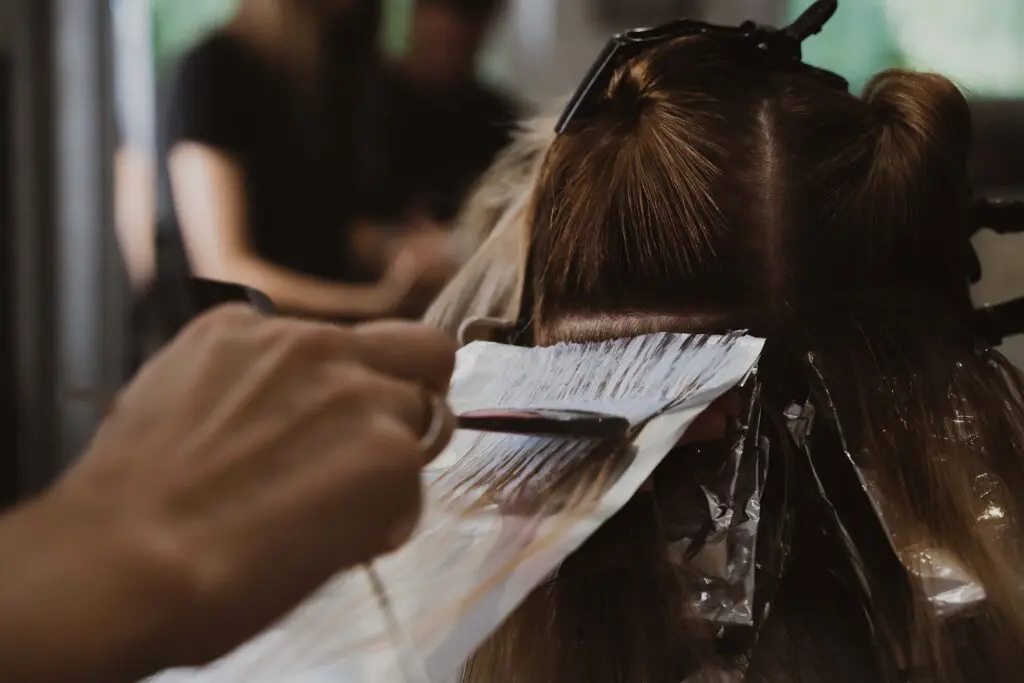
Whether enhancing natural red tones or creating a bold new look, coloring is both an art and a science. Here are some tips to achieve vibrant results:
- Consider your base color: Lightening darker hair ensures red tones pop.
- Strand test first: This helps determine how your hair reacts to specific dyes.
- Ammonia-free dyes: Protect hair health while achieving rich, vivid reds.
? Pro tip: Work with your stylist to choose a red shade that complements your skin tone and personal style. Protecting hair health is just as important as achieving the perfect color.
Maintaining Vibrant Hair
Red hair, whether natural or dyed, can fade faster than other colors. Keep it vibrant with these tips:
- Use color-safe products:
- Choose shampoos and conditioners designed for color-treated hair.
- Incorporate hydrating masks and serums to restore moisture.
- Protect against environmental damage:
- Use UV-blocking sprays to shield hair from the sun.
- Apply heat protectants before styling.
- Gentle hair care routines:
- Wash with cooler water.
- Avoid tight hairstyles that can lead to breakage.
By maintaining a regular care routine and scheduling salon touch-ups, you can keep your red hair looking stunning and healthy.
Celebrate the Beauty
Whether you’re a natural redhead, considering a bold color change, or simply curious about the science behind its captivating hue, red hair is undeniably special. Its rarity and the unique genetic makeup that creates its fiery shades make it truly stand out. With the right knowledge of its specific needs and consistent care, you can not only preserve its health but also enhance its inherent beauty with confidence. Embrace your unique hair color, understand its nuances, and allow its vibrant, rich tones to truly shine and express your individuality.









0 Comments