
The Art and Science Behind Long-Lasting Hair Color
Achieving a vibrant, enduring hair color is both an art and a science—one that goes far beyond simply applying pigment to the hair. Many people find themselves wondering how professional colorists consistently create hues that look richer, fade more gracefully, and last far longer than at-home applications. The difference lies in a combination of expert knowledge, customized formulation, and refined technique, all working together to support the health and integrity of the hair. Below, we explore the key methods professionals use to ensure your color stays luminous, dimensional, and brilliant for weeks to come.
Understanding Your Hair Type and History
First and foremost, lasting color starts with understanding your hair. Professional colorists assess:
-
Hair texture (fine, medium, or coarse)
-
Porosity (how well hair absorbs and retains moisture and color)
-
Previous color or chemical treatments
Why does this matter? Because every hair type reacts differently to color. For instance, coarse hair often needs longer processing times, while fine hair may absorb pigment more quickly. By tailoring their approach, colorists ensure color penetrates deeply and evenly.
Equally important is your hair’s history. Past dyes, relaxers, or lightening treatments affect how new color adheres. With this knowledge, colorists can adjust formulas and techniques—maximizing longevity while protecting hair integrity.
Prepping Hair Before Coloring
Next comes preparation—an often underestimated step. Before applying color, professionals focus on creating the ideal foundation.
This may include:
-
Clarifying washes to remove buildup
-
Deep conditioning treatments to balance moisture
-
Scalp assessments to ensure a clean, healthy surface
Additionally, many stylists recommend trimming the ends beforehand. Freshly cut hair absorbs color more evenly and looks healthier after processing—resulting in a smoother, longer-lasting finish.
Choosing the Right Hair Color Products
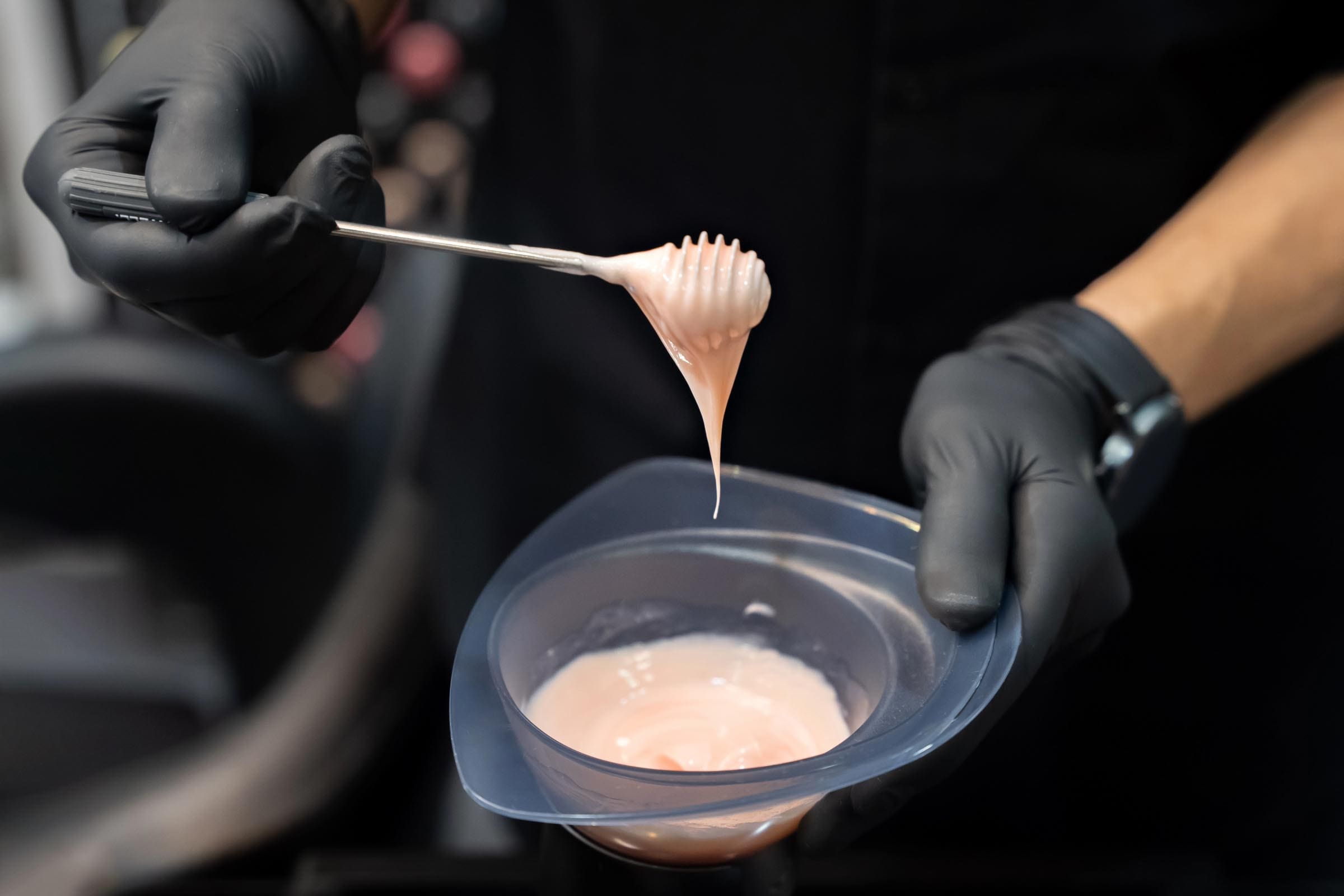
Product selection plays a major role in color longevity. Professional colorists use salon-grade dyes designed for durability, vibrancy, and hair health.
Key advantages include:
-
Higher-quality pigments for richer, longer-lasting color
-
Custom blending of permanent and demi-permanent formulas
Moreover, colorists often layer tones and add protective agents that help lock color into the hair shaft—creating dimension while reducing fade.
Application Techniques That Extend Wear
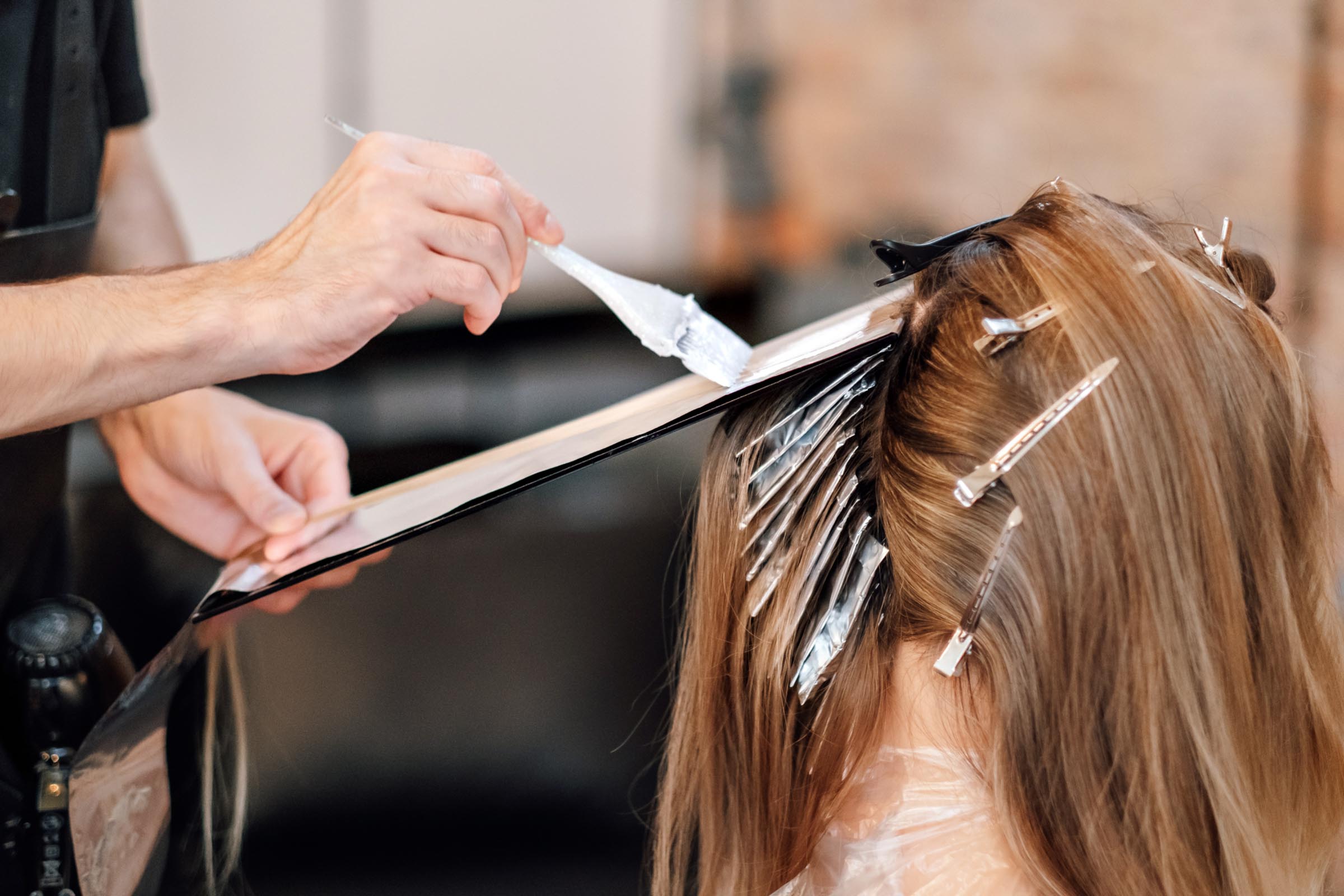
How color is applied matters just as much as what’s used. Techniques like balayage and foiling allow for softer grow-out and less noticeable roots, meaning fewer touch-ups over time.
Professionals also:
-
Section hair meticulously for even saturation
-
Avoid patchiness by fully coating each strand
-
Use controlled heat to gently open the cuticle and help color penetrate deeper
As a result, the color sets more effectively and lasts longer.
Post-Color Care and Maintenance
Finally, longevity depends on what happens after you leave the salon. At-home care is essential for maintaining vibrancy.
Colorists often recommend:
-
Color-safe shampoos and conditioners
-
Gloss treatments between appointments
-
UV-protectant sprays to shield color from sun fading
In addition, washing hair less frequently and using dry shampoo can significantly extend color life. Hats or scarves during prolonged sun exposure offer extra protection.
Achieving Vibrant, Lasting Results
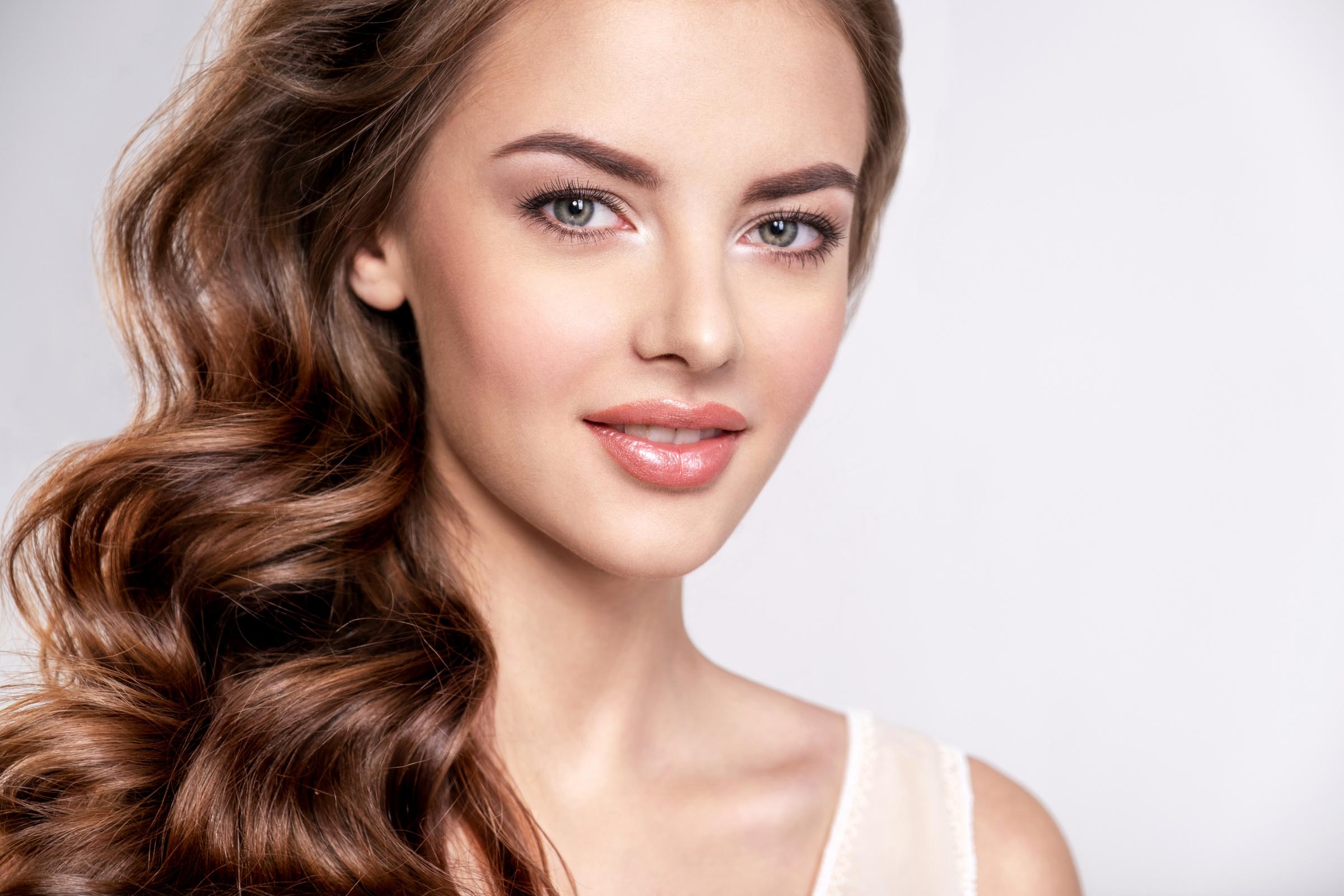
In conclusion, long-lasting hair color is never accidental—it’s intentional. From personalized consultations that consider your hair’s unique history and goals, to expert application techniques and thoughtful aftercare recommendations, every step plays a vital role in how beautifully your color wears over time. When each detail is approached with care and expertise, the result is color that maintains its depth, vibrancy, and integrity well beyond the salon chair.
When artistry meets science, the outcome is hair color that doesn’t simply look good on day one—it continues to perform, evolve, and shine for weeks to come.







This blog really breaks down how professionals use techniques like balayage and foiling to get long-lasting, vibrant colour — it helped me appreciate what goes into a salon finish. If you don’t want to treat your own hair with harsh dyes or chemicals, you can always use colour wigs as a fun and safe alternative instead of DIY colouring.